


Outdoor events, trade shows, and promotional activities serve as powerful tools for businesses aiming to boost visibility, build client connections, and create strong brand impressions. While planning these events, selecting the appropriate type of shelter goes beyond basic logistics, as it directly affects attendee comfort, safety standards, and the overall success of the event.
Popular Products
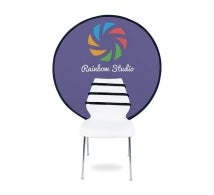

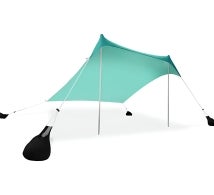
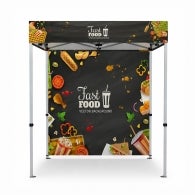
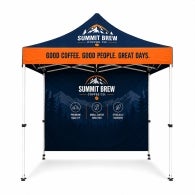



The right structure enables efficient setup, limits operational hurdles, and maximizes the overall return on investment for businesses. A careful comparison of a canopy vs tent for business promotions guides decision-makers in selecting the option that maximizes visibility, functionality, and brand impact.
Awareness of these differences enables businesses to optimize performance while strengthening their brand positioning. This guide highlights the main differences, examines practical business scenarios, and outlines the critical factors for choosing the right solution for events, trade shows, and promotional campaigns.
What is the Difference Between a Canopy and a Tent
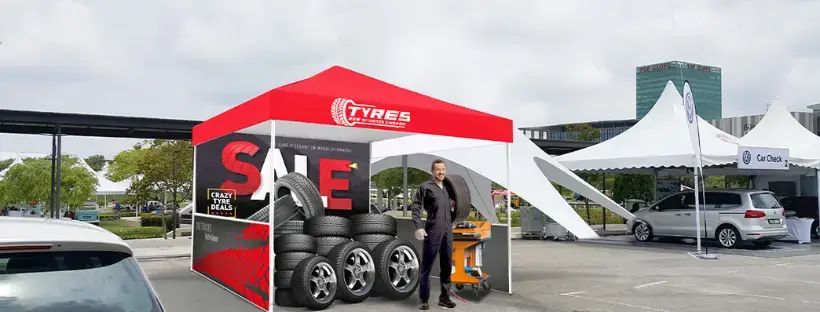
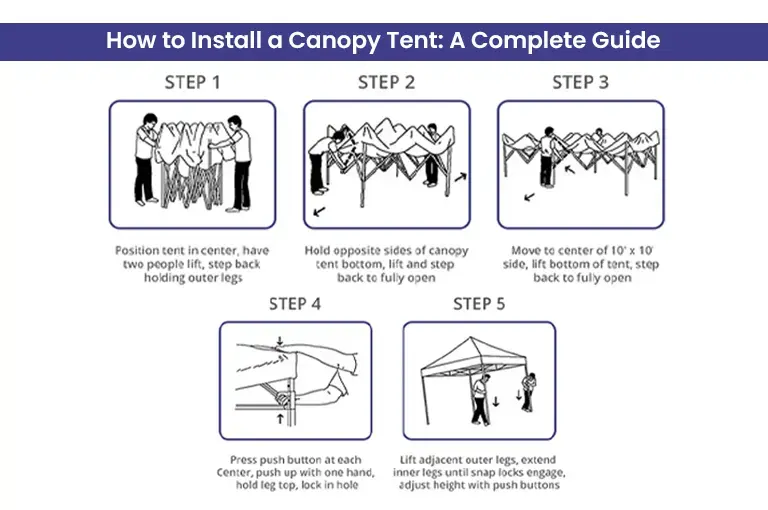
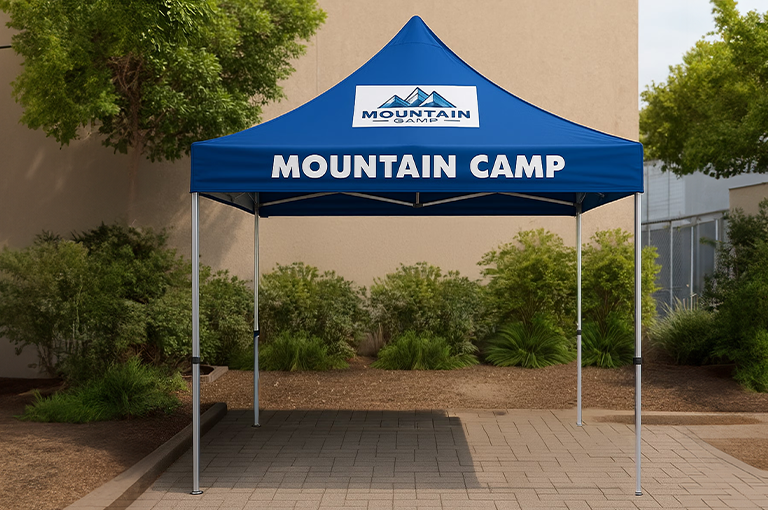
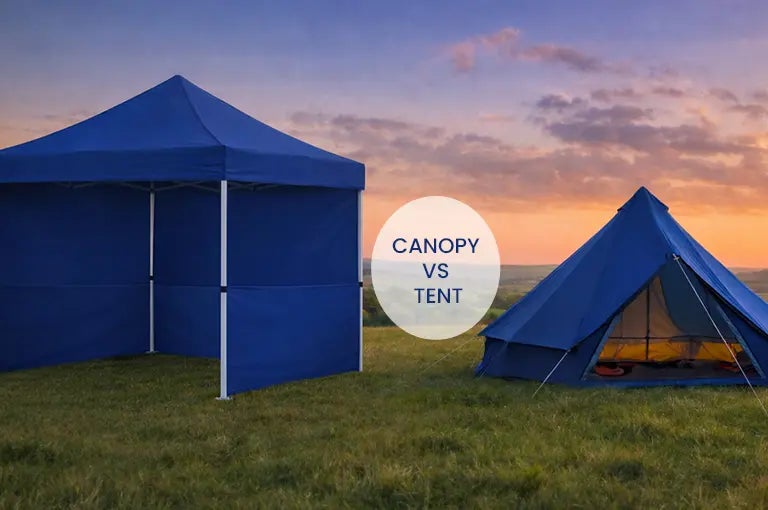
A canopy is a lightweight, temporary structure intended to offer shade or shelter for short-term events, pop-ups, or promotional campaigns, while allowing for fast setup and easy portability. For instance, a pop-up canopy tent can be set up in just a few minutes at a crowded trade show or street-side promotion, enabling businesses to establish a professional and attention-grabbing presence instantly.
With their durable design, tents protect against adverse weather and are ideal for long-lasting or large events. They provide ample capacity for attendees and a secure area for equipment and display materials.
Difference Between a Canopy and a Tent

When planning outdoor events, understanding canopy vs tent for outdoor events plays a critical role. The main differences include:
Setup & Portability: Canopies are lightweight and easy to transport, enabling one or two people to assemble them in minutes, making them ideal for pop-up events and street-side activations. Tents, in contrast, are heavier, include multiple components, and may require professional assistance for larger setups.
Weather Protection: Canopies provide only minimal protection against weather elements such as rain or wind, making them most suitable for events held in fair-weather conditions. Tents, in contrast, are built with reinforced frames and walls, providing protection from sun, rain, and wind, making them dependable for extended or unpredictable events.
Size & Capacity: Typically designed for small to medium groups, canopies contrast with tents, which offer expansive interiors for larger audiences, seating plans, or equipment storage, making them the preferred choice for corporate gatherings, workshops, and multi-day outdoor events.
Branding & Customization: Canopies are ideal for fast branding opportunities. With a trade show canopy kit, businesses can easily add logos, signage, and marketing graphics on the spot. Tents, on the other hand, offer more space for full customization, though they often require extra planning and setup to be used effectively.
Use Cases: Canopies are best for pop-up promotions, small trade show booths, or business activations where speed and visibility matter. Tents are best suited for multi-hour or multi-day events, promotional activities needing shelter from weather, and interactive installations.
How to Choose Between a Canopy and a Tent
Deciding when to choose a canopy and when to choose a tent calls for a thorough assessment of key practical and strategic factors.
Event Duration: Canopies are ideal for short-term activations because they can be deployed quickly, while tents are better suited for long-duration or multi-day events, offering protection against extended exposure to weather.
Weather Considerations: Assess anticipated conditions. Canopies handle mild sun and light shade needs, while tents offer protection from rain, wind, and sun. Knowing when to use a canopy instead of a tent can help businesses plan effectively for short, sunny events or quick activations. A custom beach canopy is a great option for sunny outdoor promotions, while tents provide reliability for uncertain climates.
Audience Size & Space Requirements: Canopies are perfect for small groups or individual vendor booths. For larger audiences or seating arrangements, a tent ensures everyone has adequate space. A 6×6 canopy works for compact setups, whereas larger tents accommodate extensive layouts.
Branding & Marketing Goals: High-visibility events benefit from customizable options. A custom canopy tent 10×10 can prominently display brand elements for trade shows or local promotions. Tents provide more branding space but may need additional planning to optimize graphics and signage placement.
Logistics & Storage: Canopies are lightweight, easy to transport, and store efficiently, making them ideal for businesses on the move. Tents require more storage space and planning for transport, especially larger models used in corporate events or outdoor exhibitions.
Event Type: Consider what your event aims to achieve. Choosing between a canopy vs tent for trade shows, pop-up promotions, or exhibition setups becomes easier when the type of event is clearly defined.
Conclusion
Choosing between a canopy and a tent is a strategic decision for businesses hosting outdoor events, trade shows, or promotional activities. By evaluating event duration, audience size, weather conditions, and branding goals, businesses can confidently select the best solution. Using the right structure enhances engagement and delivers a professional, memorable experience. Investing in the right setup ensures that every event not only runs smoothly but also reinforces your brand’s presence and credibility.
Written By BannerBuzz Canada Editorial Team!