

Brands have to be really mindful about their approach when it comes to stand out in a competitive sphere. One has to go beyond their conventional marketing mediums and think about the basics that they often miss; one of them being your entire setup. Understanding how to design a trade show booth that attracts customers is not just about aesthetics; it’s about strategy, psychology and smart use of space. When your booth is well-designed, it invokes curiosity, encourages interaction and subsequently, strikes conversations. From layout and visuals to materials and messaging, every element plays a role in shaping visitor perception and engagement.
Popular Products
Start with a Strategic Layout
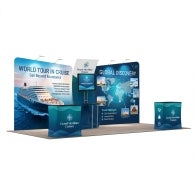
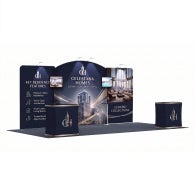
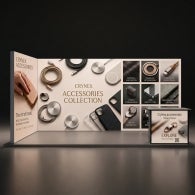
The foundation of any successful booth lies in its structure. Choosing the best booth layout to increase foot traffic ensures that visitors can easily approach, navigate, and interact with your space. Open layouts tend to perform better because they remove physical and visual barriers, making your booth feel more inviting.
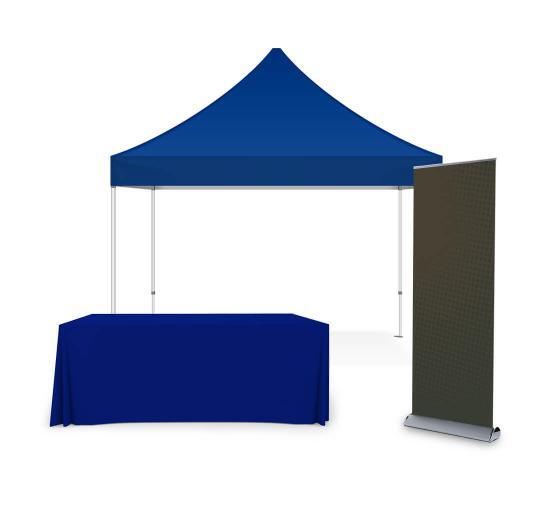
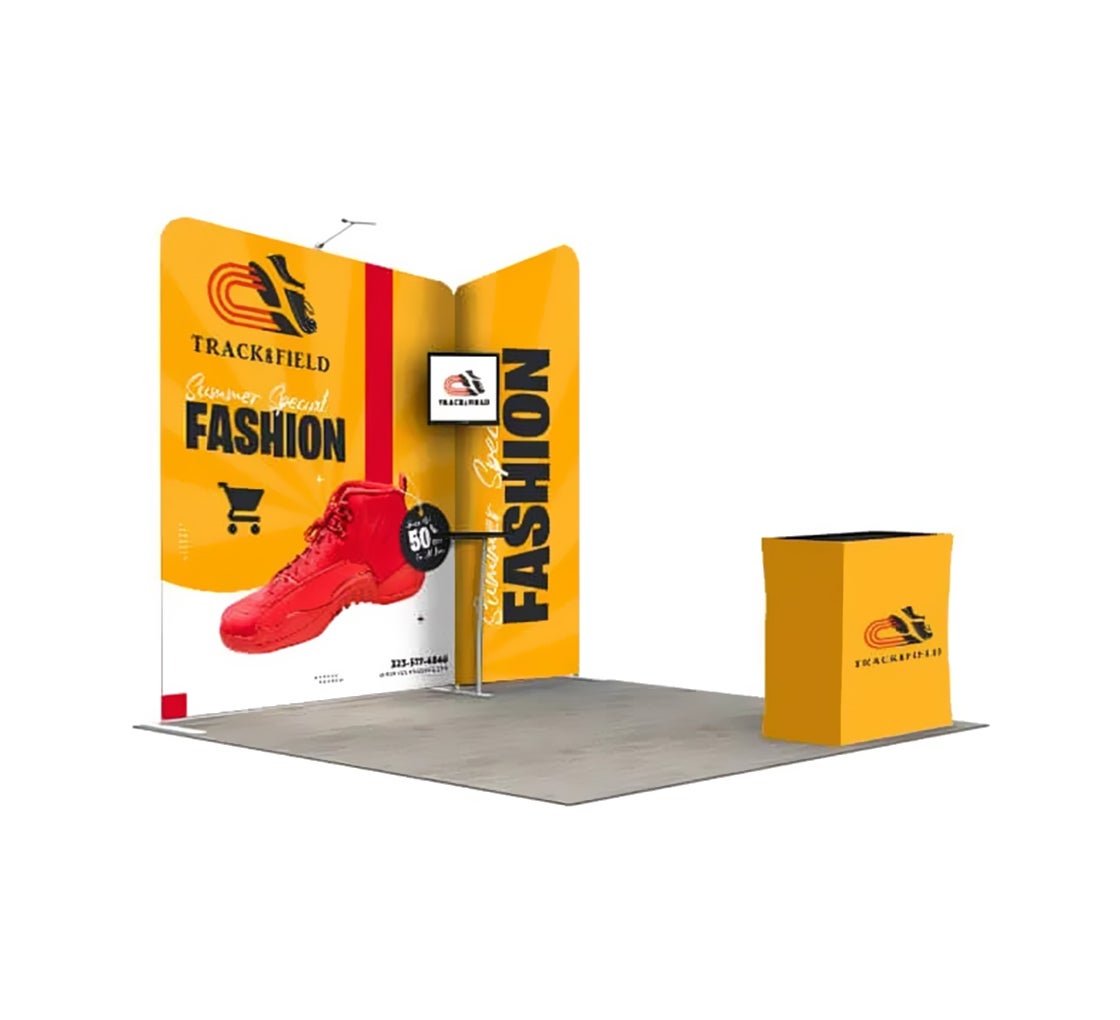
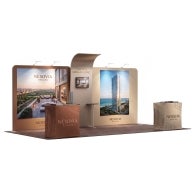
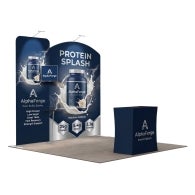
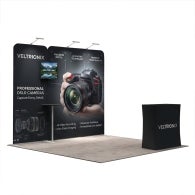
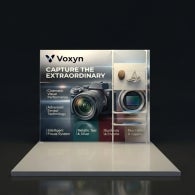
Avoid cluttered arrangements that restrict movement or overwhelm visitors. Instead, create defined zones for product displays, demonstrations, and conversations. Even in a compact setup like a 10x10ft trade show booth display, thoughtful placement of elements can significantly enhance accessibility and flow.
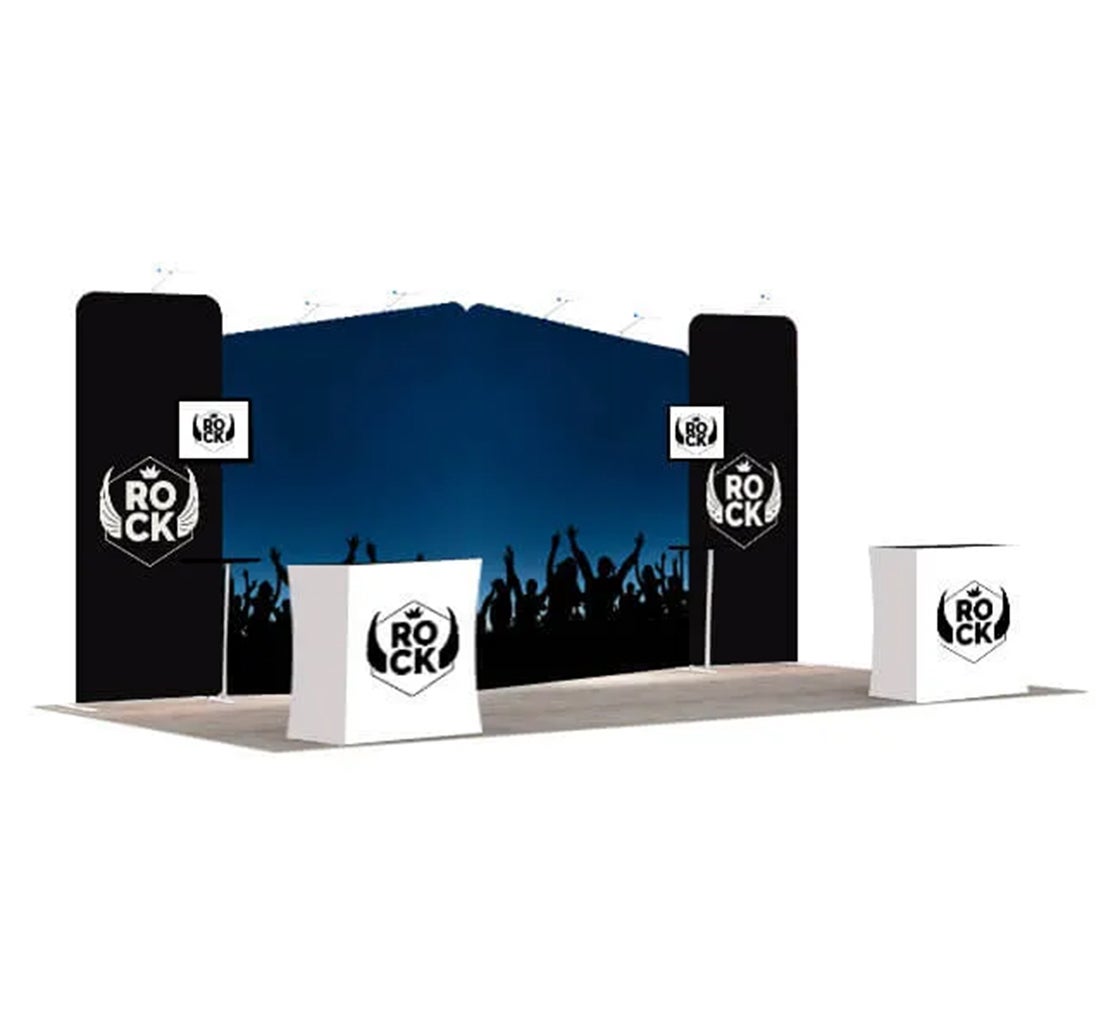
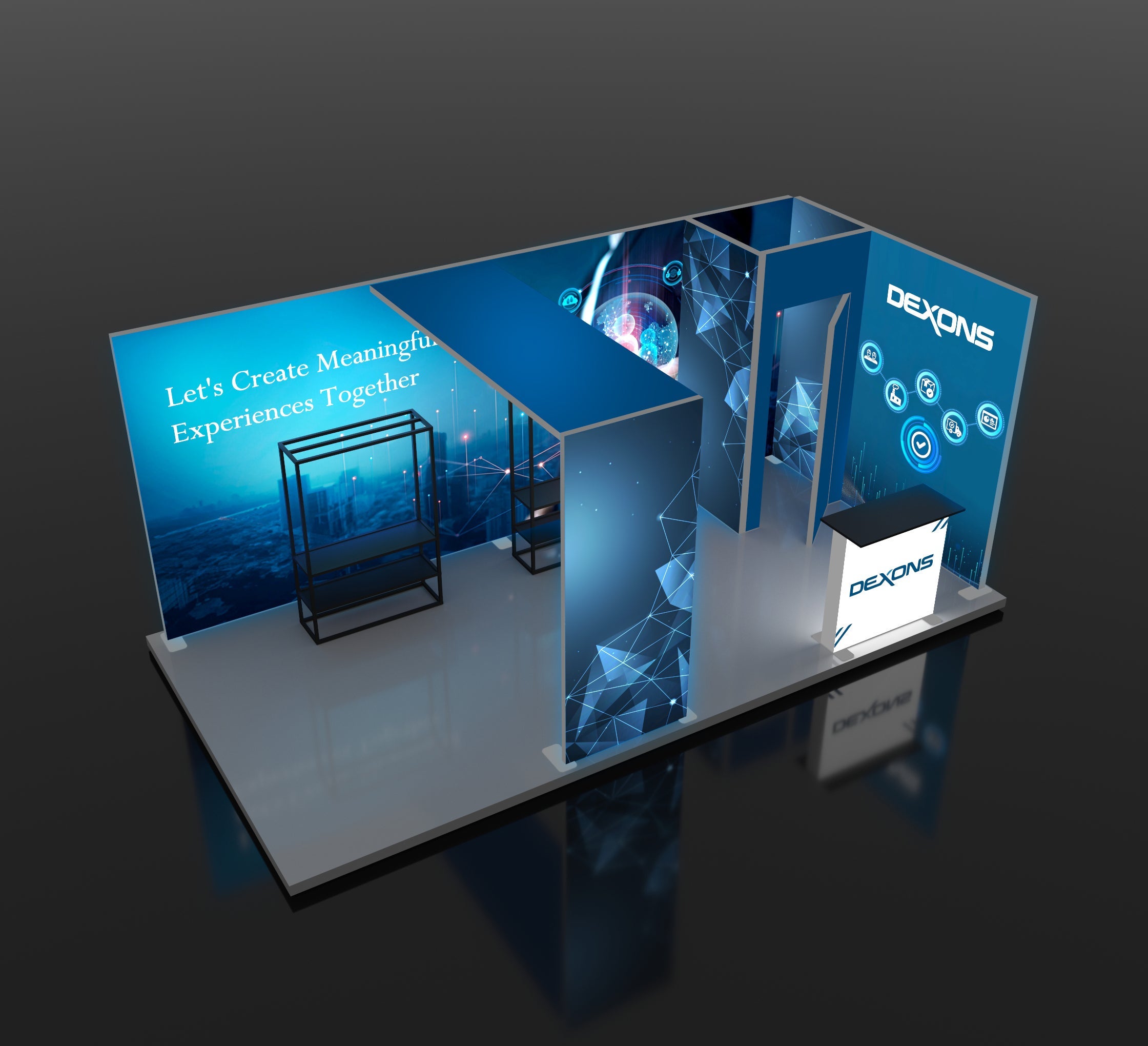
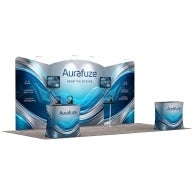
Larger setups, such as a 10x20ft trade show booth display, offer more flexibility to incorporate experiential zones or meeting areas. However, the key is to maintain balance so the booth feels spacious rather than crowded.
Focus on Strong Visual Impact
First impressions happen in seconds, which is why investing in eye-catching trade show displays is essential. Bold colors, high-resolution graphics, and clear messaging can instantly capture attention from across the exhibition hall.
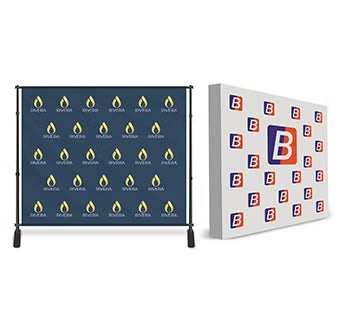
A well-designed custom vinyl banner serves as the visual anchor of your booth, helping communicate your brand identity at a glance. Ensure that your branding elements are consistent and easily recognizable, even from a distance.
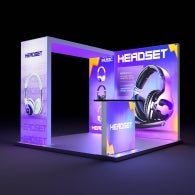
Lighting also plays a crucial role in enhancing visual appeal. Strategic lighting can highlight key products, emphasize messaging, and create a welcoming ambiance that draws people in.
Use Portable and Flexible Displays

Trade shows often require quick setup and efficient logistics. This is where portable trade show displays for quick setup become invaluable. Lightweight and easy-to-assemble solutions allow you to focus more on engagement rather than installation challenges.
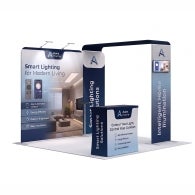
A modular fabric display is particularly effective because it combines flexibility with professional aesthetics. These displays can be reconfigured for different booth sizes and layouts, making them a cost-effective choice for businesses that participate in multiple events.
Portability doesn’t mean compromising on quality. Modern display solutions offer durability and high-impact visuals while remaining easy to transport and set up.
Create a Clear and Compelling Message
Visitors should immediately understand what your brand offers and why it matters. A well-crafted trade show booth display communicates your value proposition clearly without overwhelming the audience with too much information.
Keep your messaging concise and focused. Use headlines that highlight benefits rather than just features, and support them with visuals that reinforce your story. Avoid excessive text, as attendees typically scan rather than read in detail.
A strategically placed customer printed banner for trade shows can showcase testimonials or real-world applications, adding credibility and relatability to your booth.
Engage Visitors with Interactive Elements
Static displays can only do so much. Incorporating creative ways to attract visitors to your booth can significantly increase engagement and dwell time. Interactive elements such as live demonstrations, touchscreens, or product trials encourage participation and create memorable experiences.
Gamification is another effective approach. Simple activities like spin-the-wheel contests or quizzes can draw crowds while providing opportunities to collect leads. The key is to ensure that these activities align with your brand and messaging.
Engagement should feel natural and not forced. Train your team to initiate conversations in a friendly and approachable manner, making visitors feel comfortable and valued.
Make Your Booth Stand Out with Unique Design Elements
In a sea of similar setups, differentiation is critical. Knowing how to make your booth stand out at expos involves going beyond standard design practices. Unique shapes, layered visuals, or creative backdrops can make your booth visually distinct.
Consider using vertical space effectively to increase visibility. Tall displays or hanging elements can make your booth noticeable from afar, especially in crowded exhibition halls.
Textures and materials also contribute to the overall experience. Combining different finishes—such as fabric, metal, or matte surfaces—can add depth and sophistication to your booth design.
Optimize for Visitor Flow and Comfort
A successful booth is not just about attracting visitors but also about retaining them. Ensuring smooth movement within your space is a key aspect of how to design a trade show booth that attracts customers.
Avoid bottlenecks by keeping pathways clear and organizing displays logically. Provide comfortable areas where visitors can pause, interact, or have conversations with your team.
Even small touches, such as offering refreshments or seating, can enhance the visitor experience and encourage longer interactions. These details can make your booth feel more welcoming and less transactional.
Leverage Branding Consistency Across Elements

Consistency builds trust and recognition. Every component of your booth—from banners and backdrops to promotional materials—should reflect a unified brand identity. This is especially important when using a custom-printed banner, as it often serves as the centerpiece of your display.
Ensure that your color palette, typography, and imagery align with your overall branding guidelines. Consistent design not only strengthens brand recall but also creates a professional and polished appearance.
A cohesive look across all elements reinforces your message and makes your booth more memorable to attendees.
Adapt Your Design for Different Events
Not all trade shows are the same, and your booth design should reflect the specific context of each event. A flexible approach allows you to adapt your setup while maintaining a consistent brand presence.
Using a modular fabric display makes it easier to adjust your booth for different spaces and audience expectations. Whether you’re working with a compact or expansive area, modular solutions provide the versatility needed to optimize your presence.
Understanding your target audience and event goals will help you tailor your design for maximum impact.
Measure and Refine Your Approach
Designing an effective booth is an ongoing process. After each event, evaluate what worked and what didn’t. Analyze foot traffic, engagement levels, and lead generation to identify areas for improvement.
Experimenting with different layouts, visuals, and engagement strategies can help you discover the best booth layout to increase foot traffic for your specific audience. Continuous refinement ensures that your booth remains relevant and effective over time.
Feedback from your team and visitors can also provide valuable insights into how your booth is perceived and how it can be enhanced.
Final Thoughts
Creating a booth that attracts crowds instantly requires a combination of thoughtful design, strategic planning, and engaging experiences. By focusing on layout, visuals, messaging, and interactivity, you can build a space that not only draws attention but also drives meaningful connections.
From investing in attractive trade show displays to leveraging portable displays, every decision contributes to your overall success. With the right approach, your booth can become a powerful marketing tool that elevates your brand presence and maximizes your trade show ROI.
Written By BannerBuzz Canada Editorial Team!