

If you have ever had to order custom signs, product packaging or promotional materials for a marketing push, you know how tricky it can be to navigate printing specifications. Between picking paper stocks, selecting laminations, and figuring out press requirements, the decisions can pile up fast.
One core technical choice will shape both your project’s final appearance and your overall bill: picking between digital production and offset lithography. Both processes generate impressive visuals, but they function differently under the hood and cater to entirely distinct project demands. Understanding the difference between digital and offset printing is essential for optimizing your design budget without sacrificing print quality.
What Is Digital Printing?

Think of digital setup as an industrial-grade version of the inkjet or laser printer you might have in an office, though built for heavy-duty commercial materials. Instead of running physical metal plates, digital systems transfer artwork directly from digital files onto surfaces like paper, vinyl or fabric.
What Are the Benefits of Digital Printing?
- Instant Turnaround Times: Because there are no mechanical plates to burn or calibrate, production can start the second artwork files hit the press.
- Variable Data Printing: You can swap out store locations, names, addresses, or promo codes on every single print without pausing the run.
- Low Initial Overhead: You skip all traditional pre-press configuration costs, making short runs very budget-friendly.
- Versatile Material Substrates: Modern wide-format inkjet systems easily print on rigid substrates like clear acrylic, PVC, heavy canvas and corrugated cardboard. This flexibility also makes digital production suitable for custom stickers and other personalized graphics.
Disadvantages of Digital Printing
- Fixed Per-Unit Costs: Because you pay a flat unit rate, printing tens of thousands of identical items digitally can get expensive.
- Minor Color Variations: Digital setups mix standard cyan, magenta, yellow, and black inks on the fly, which means exact corporate color matching can sometimes take extra tuning.
Use Cases or Applications of Digital Printing
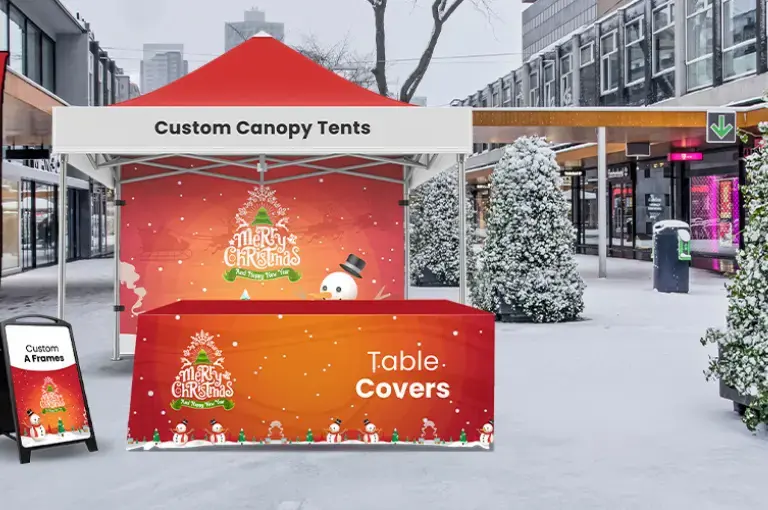
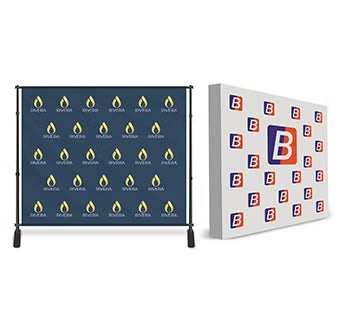
- Quick-turnaround trade show graphics, event banners and window clings
- Personalized promotional items, localized mailers, and custom retail labels
- Prototype packaging and short-run test products
What Is Offset Printing?

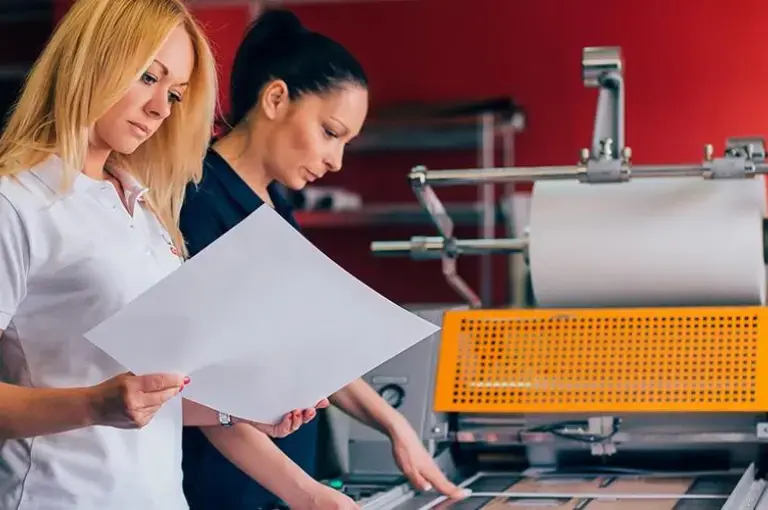
Offset printing is a classic mechanical technique that uses wet ink, etched metal plates, and rubber cylinders to press images onto paper. The ink goes from plate to rubber blanket, then rolls directly onto your printing sheet for extremely uniform output.
What Are the Benefits of Offset Printing?
- Volume Pricing Advantages: Although setup takes extra effort, the cost per item drops drastically once the press starts rolling.
- Unbeatable Color Precision: Offset lithography works with pre-blended Pantone spot inks for exact color matching.
- Crisp Image Details: Delivers clean line work, smooth gradients, and sharp text consistency across massive production runs.
Disadvantages of Offset Printing
- Upfront Setup Costs: Manufacturing plates and calibrating heavy equipment makes small runs impractical.
- Longer Lead Times: Metal plate production, press alignment, and wet ink drying times add extra days to your timeline.
- No On-the-Fly Personalization: Every sheet comes out identical; changing text requires burning a whole new plate set.
Use Cases or Applications of Offset Printing
- Bulk marketing pieces like corporate brochures, catalogs and custom flyers
- High-volume retail product boxes, folding cartons and printed inserts
- Large-scale corporate printing projects where color matching must be 100% spot-on
Key Performance Factors to Consider
Before sending artwork to production, take a moment to evaluate your project against these core criteria:
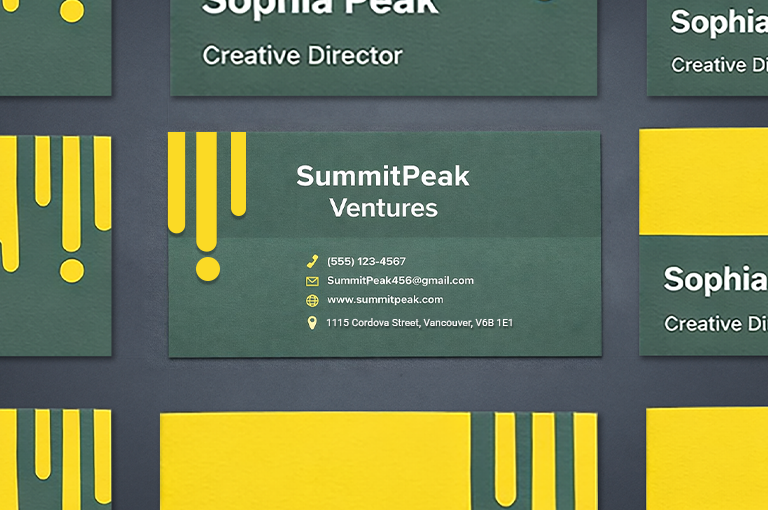
- Volume and Pricing Scale: Finding the best printing method for small and large quantities depends on where your volume meets your target budget. For smaller quantities, products such as custom business cards can be a practical example of where digital printing makes sense.
- Speed and Turnaround Time: Knowing when to choose digital printing usually comes down to tight turnaround deadlines. This makes digital printing particularly useful when you need custom banners ready for an upcoming event or promotion.
- Color Consistency and Accuracy: If you wonder which printing techniques offer better color accuracy, offset lithography wins thanks to its reliance on pre-mixed Pantone Matching System inks.
- Customization Flexibility: When your campaign demands customized images or localized store addresses, digital printing handles live spreadsheet data with ease.
- Packaging Materials and Finishes: When evaluating digital vs. offset printing for packaging, weigh your upfront batch size against your need for special treatments like foil stamping or spot UV coatings.
Quick Reference Comparison
| Feature | Digital Printing | Offset Printing |
| Setup Cost | Zero upfront setup | High initial plate and calibration cost |
| Cost per Piece | Stays constant per piece | Drops drastically as volume grows |
| Production Speed | Extremely fast (Same day available) | Slower (Requires technical prep time) |
| Personalization | Fully customizable per print | Fixed artwork per plate set |
| Color Control | Simulated CMYK blending | Precise Pantone spot ink control |
Final Thoughts
Deciding which is better: digital or offset printing comes down to looking closely at your project requirements rather than searching for one universal winner. If you are launching a quick promotional test, building personalized displays, or printing short-run signage, digital printing keeps things simple and affordable. Conversely, when you are preparing for a massive national product rollout that demands perfect brand color fidelity, offset remains the gold standard.
By taking time to evaluate your job size, required timeline, and material specs, you can easily figure out how to choose the right printing technique for your business. Working with experienced print partners like BannerBuzz makes it easy to select the best production pathway so your brand always makes a memorable, vibrant impression.
Frequently Asked Questions
1. What is the difference between digital and offset printing?
Digital printing transfers artwork directly from a digital file without using printing plates, while offset printing uses plates, rubber cylinders and wet ink to produce the final print.
2. Is digital or offset printing better for small quantities?
Digital printing is generally more suitable for smaller quantities because it has little upfront setup and keeps short runs cost-effective.
3. Is offset printing better for large print quantities?
Offset printing can be more economical for large production runs because its per-unit cost decreases as the quantity increases.
4. Which printing method offers better colour accuracy?
Offset printing offers greater colour precision because it can use pre-blended Pantone spot inks for consistent colour matching.
5. When should you choose digital printing over offset printing?
Digital printing is a good choice when you need quick turnaround, short runs or personalized prints with variable information.
6. Is digital or offset printing better for packaging?
The right option depends on your order quantity, turnaround requirements and desired finishes. Digital printing can suit prototypes and short runs, while offset printing is better suited to high-volume packaging production.